Part I: The Heat Trap
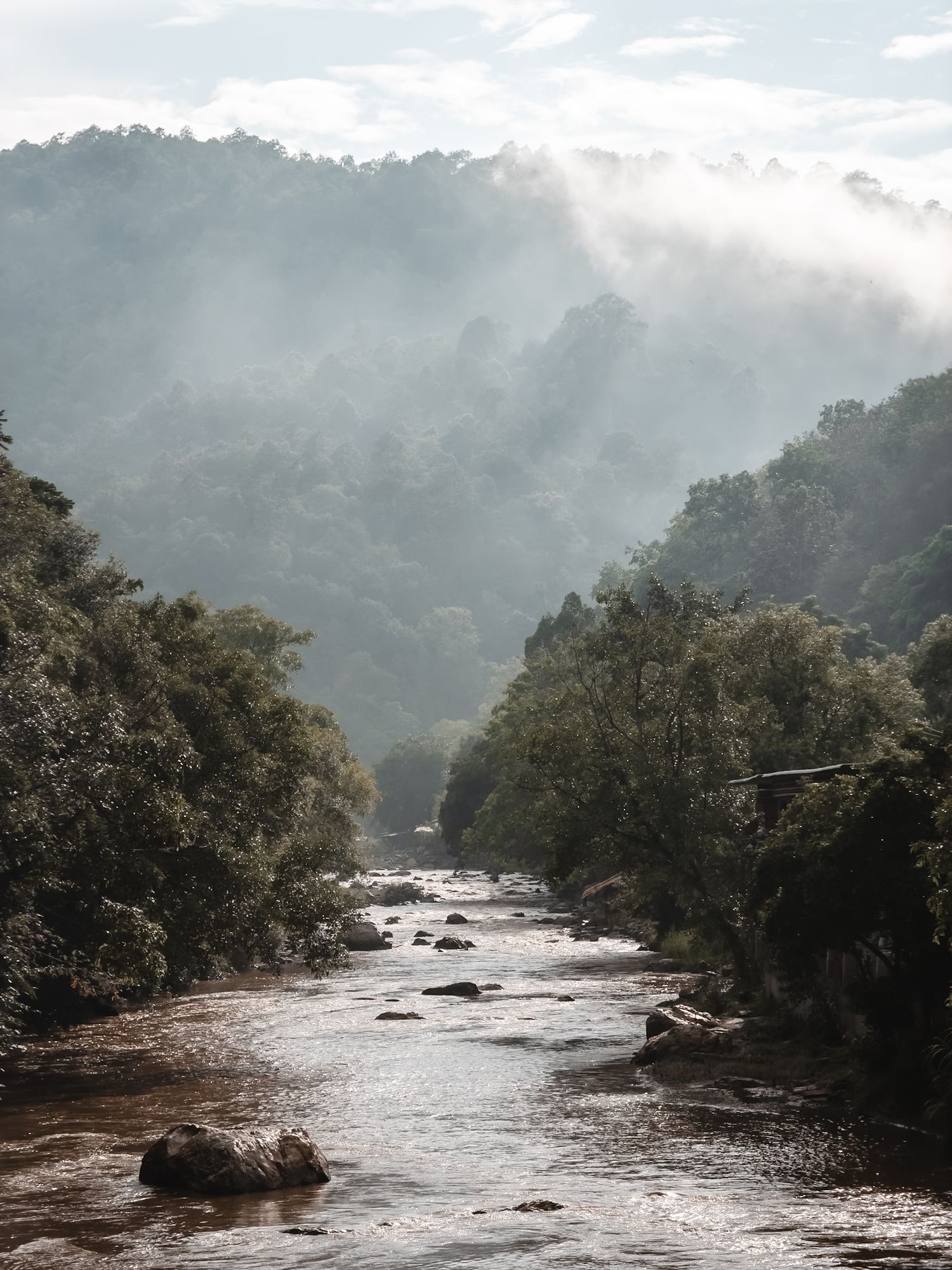
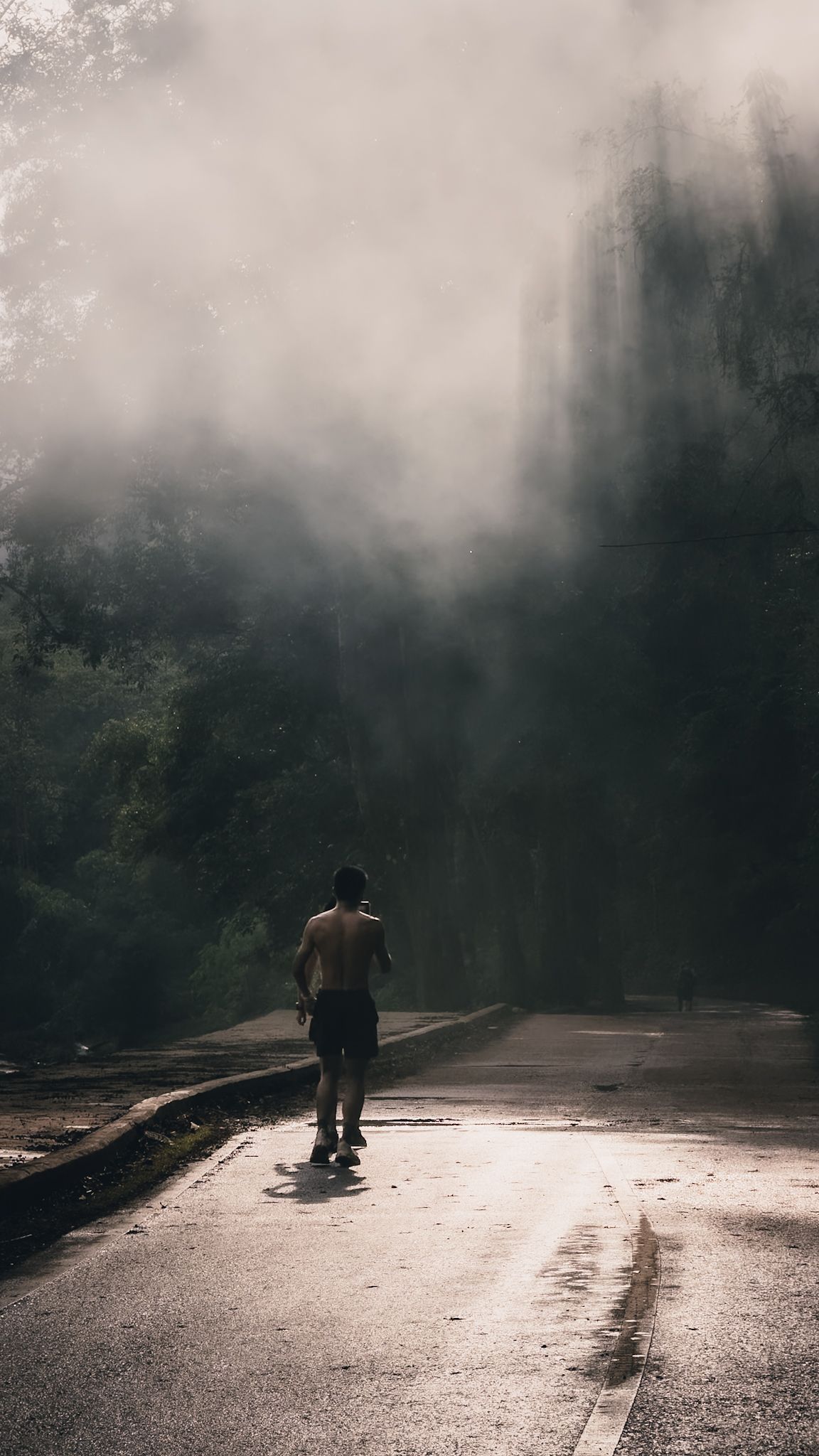
The rainy season is creeping into Chiang Mai. The morning fog lingers a little longer, and the sky reliably breaks by 3 PM. Yet, my sleep metrics are in the gutter, averaging a meager four to five hours a night. It is not the familiar buzz of executive anxiety keeping me awake rather the raw, claustrophobic physics of the room. The walls trap the midday heat, baking the room. Opening the window a crack yields zero breeze, due to a wall of overgrown jungle plants outside, and opening the door for even a second invites an ambush of bugs, lizards, and dogs. Lying completely still, my heart rate refuses to drop below 80 or 90 bpm. At least it is an explicable discomfort.
Part II: 12 Tons
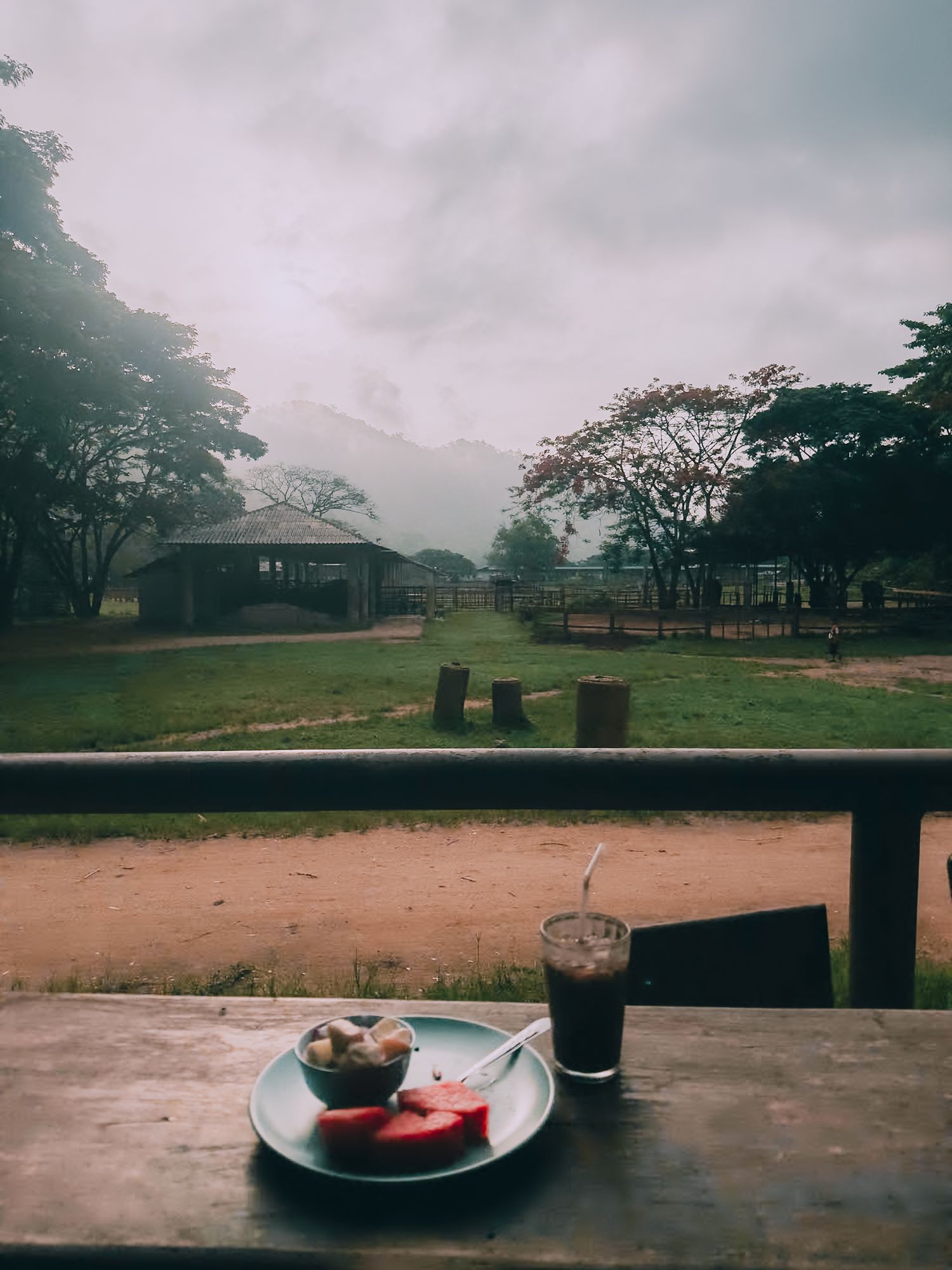
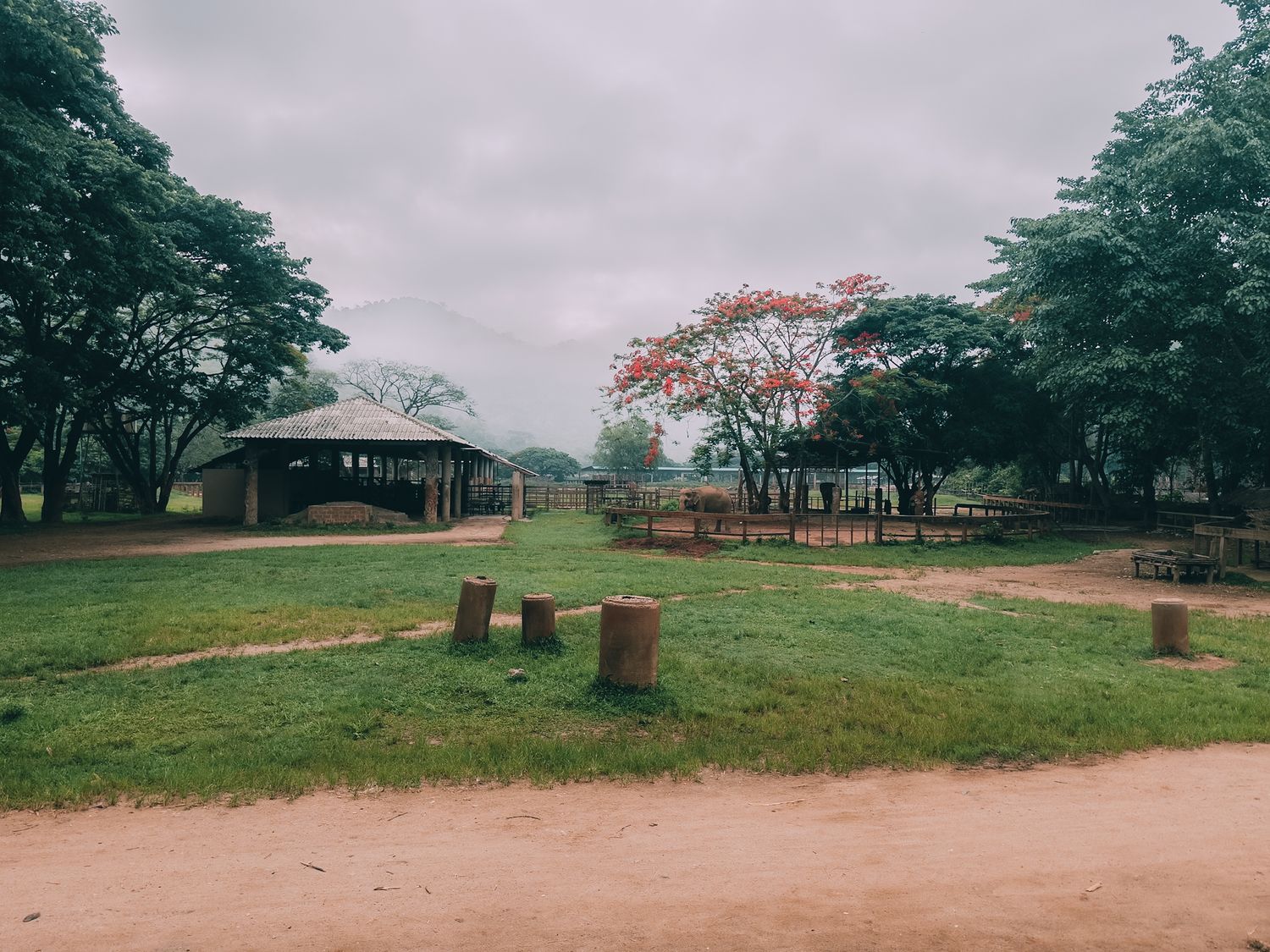
By 6 AM, I am on the viewing platform with a cup of self-serve drip coffee, choosing silence over my camera. A few hundred yards out, a blind and deaf elephant paces her small, circular safety enclosure, using her trunk to navigate. She is one of the few exceptions to the sanctuary’s 250-acre freedom, an ironic reminder that boundaries are sometimes necessary for pure survival.
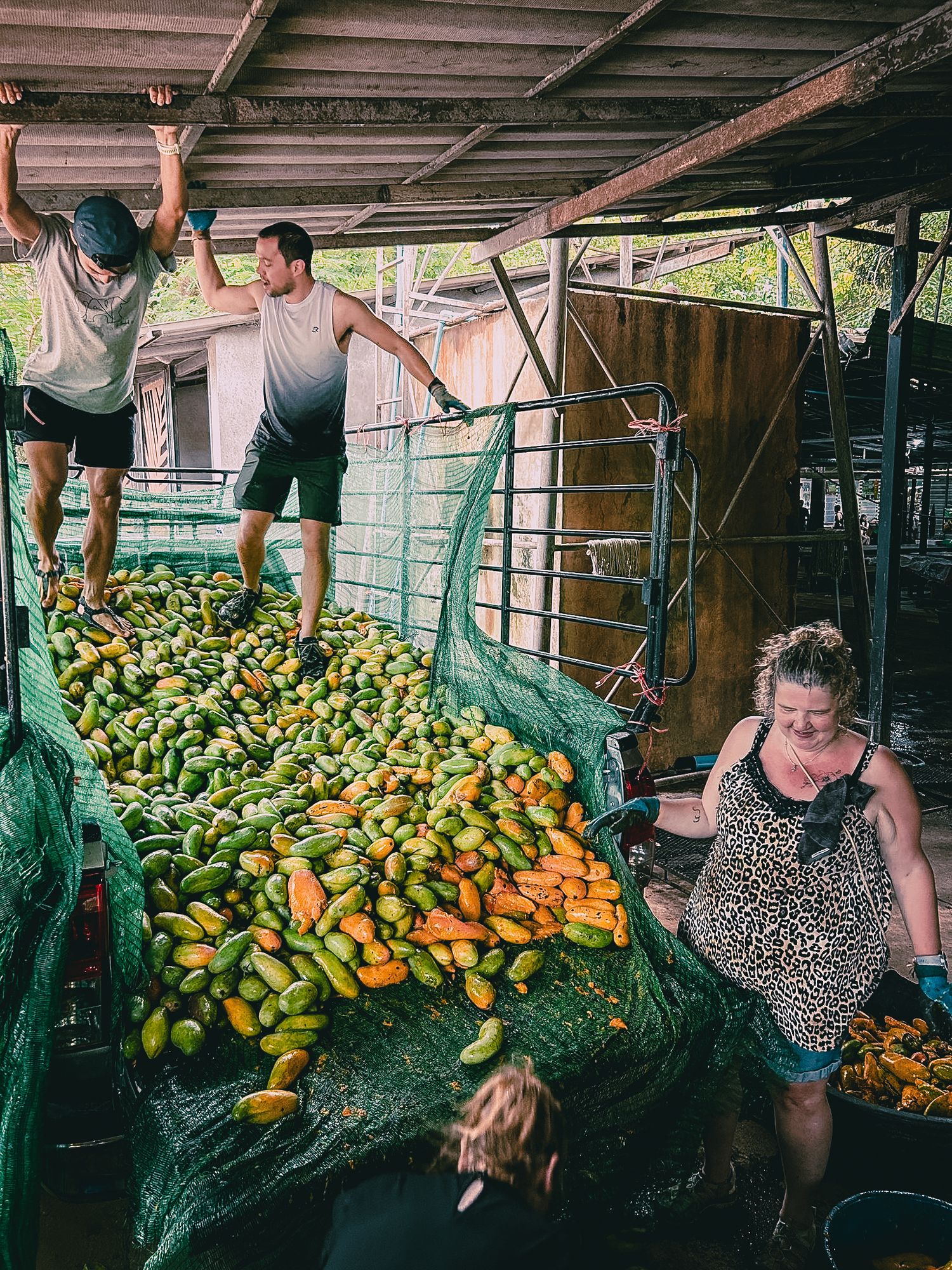
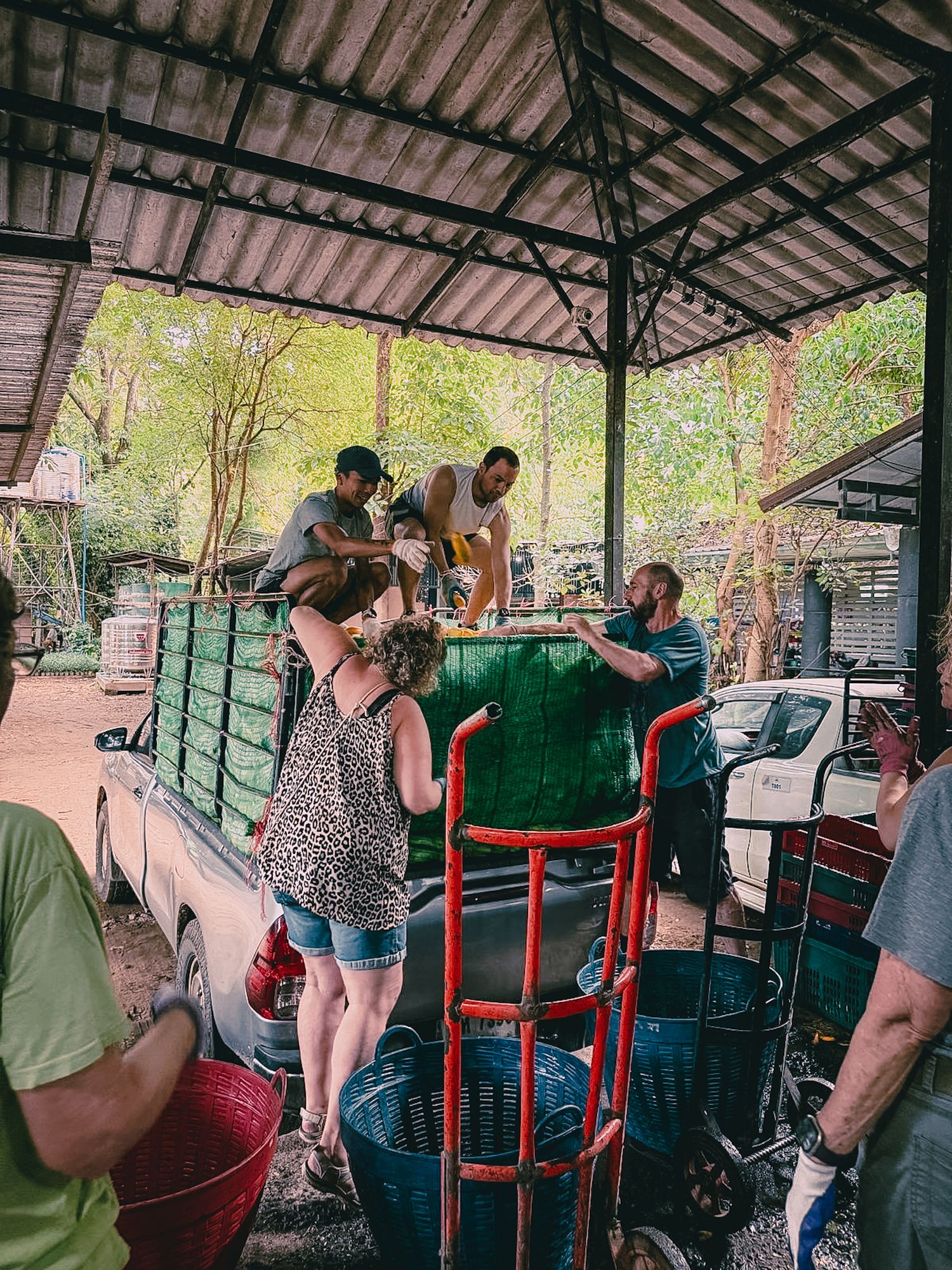
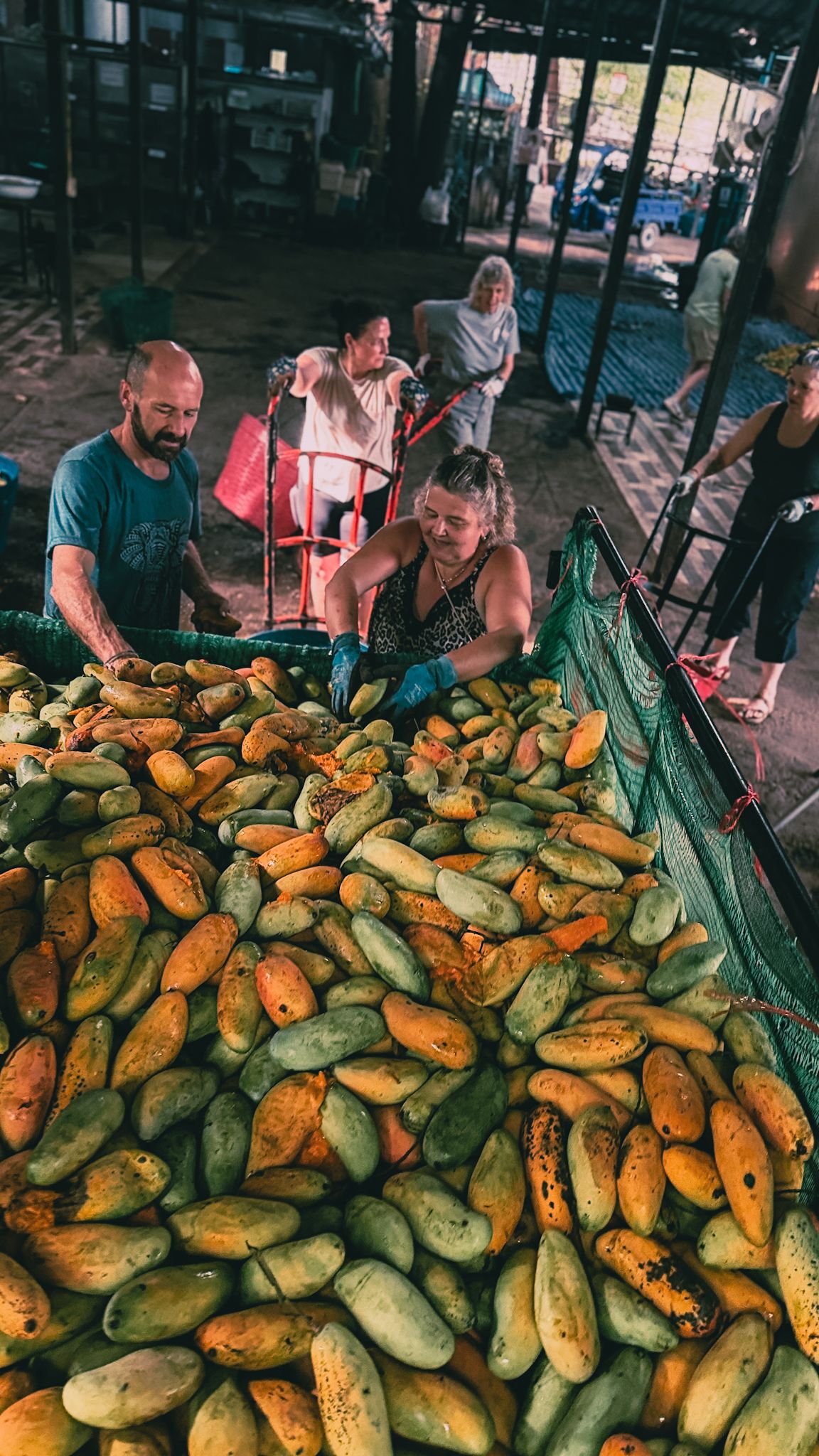
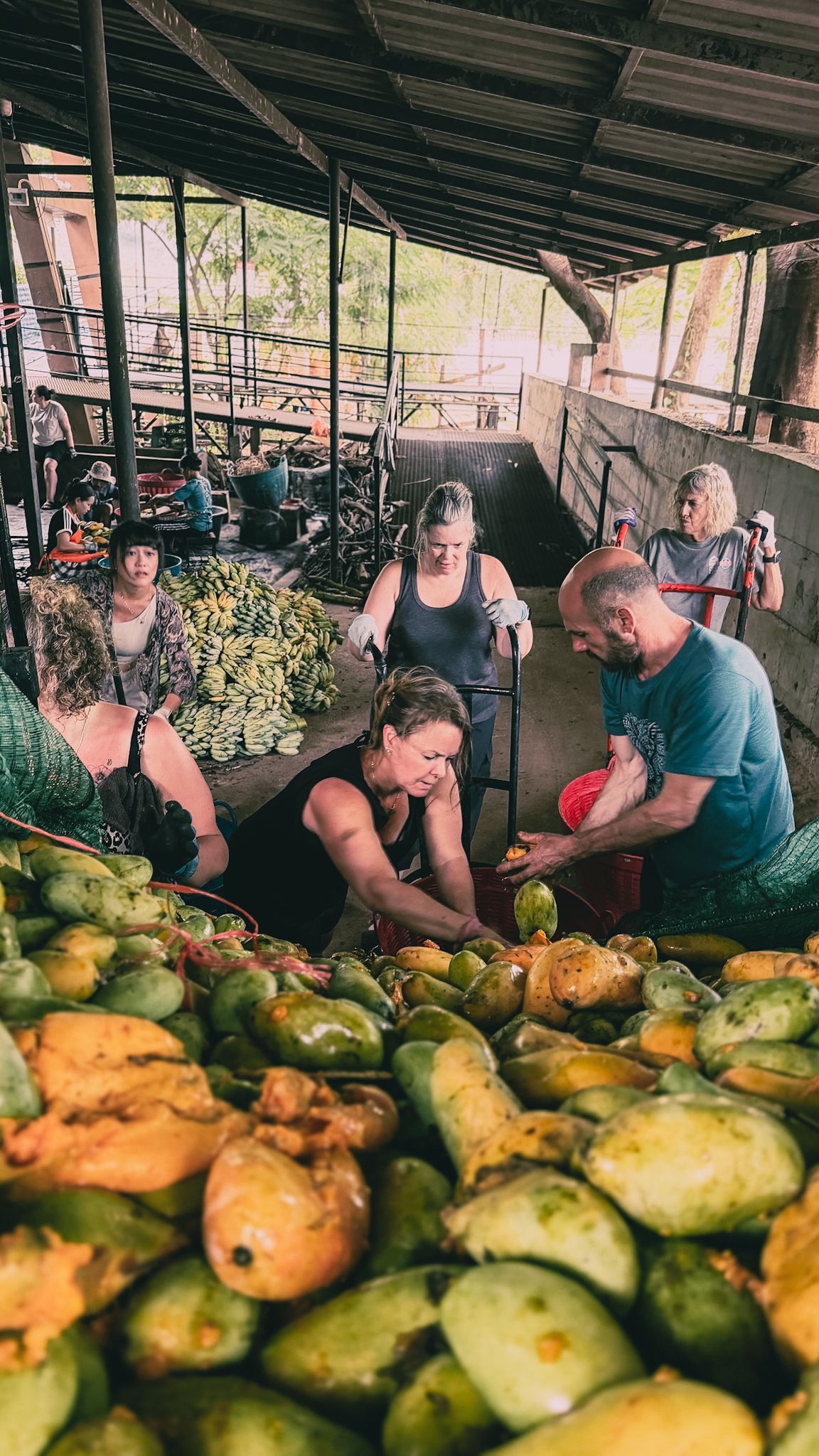
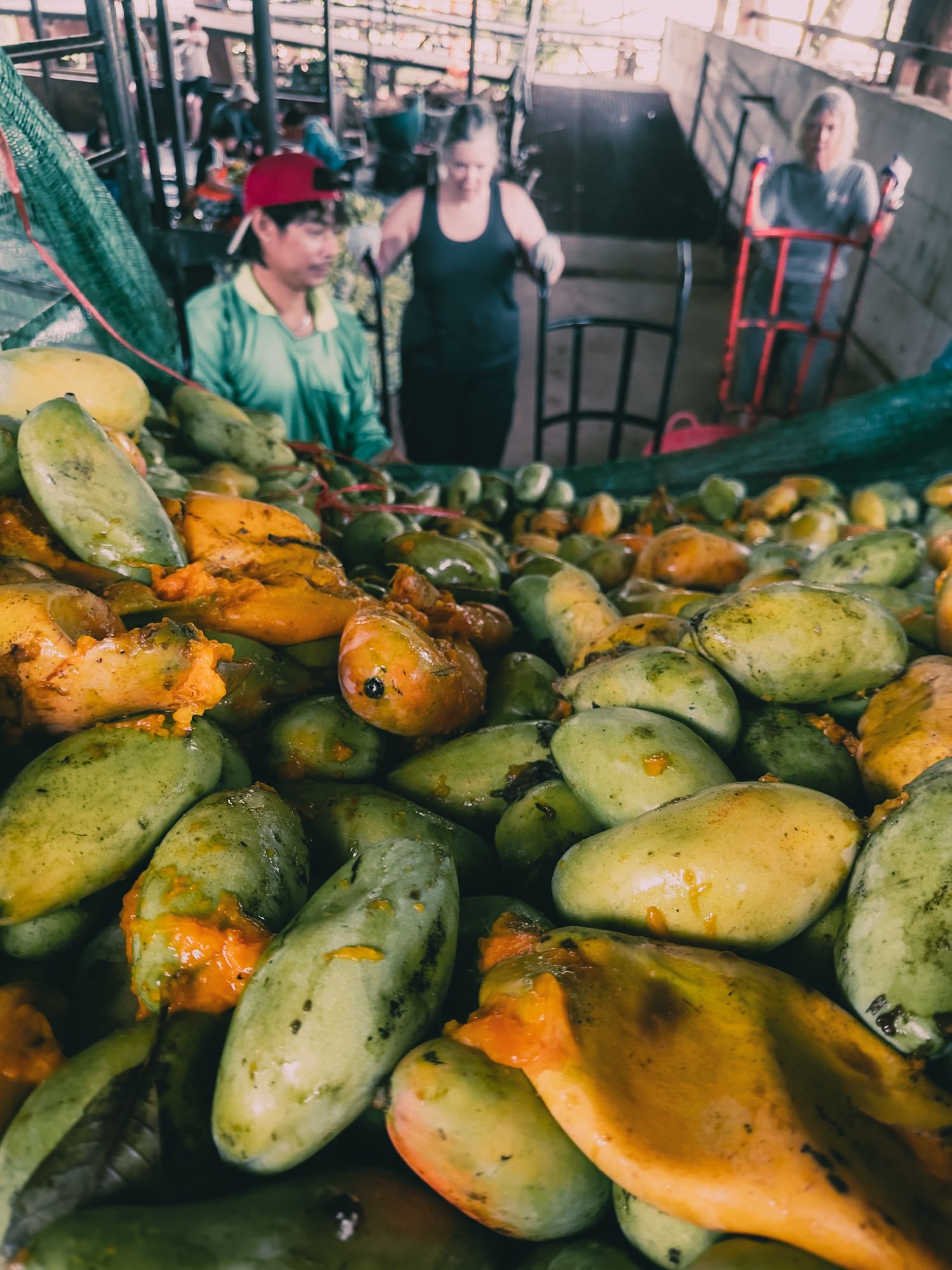
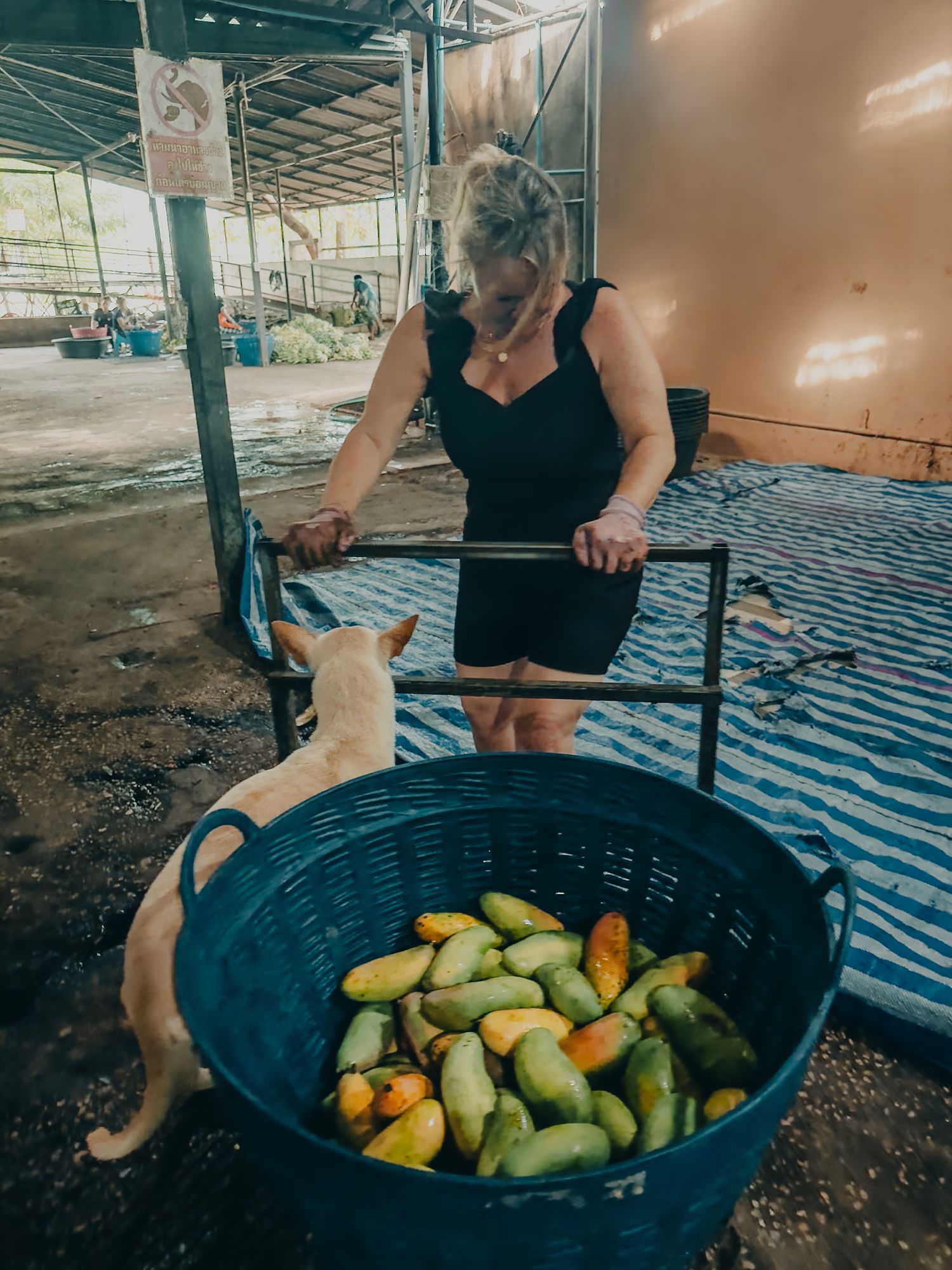
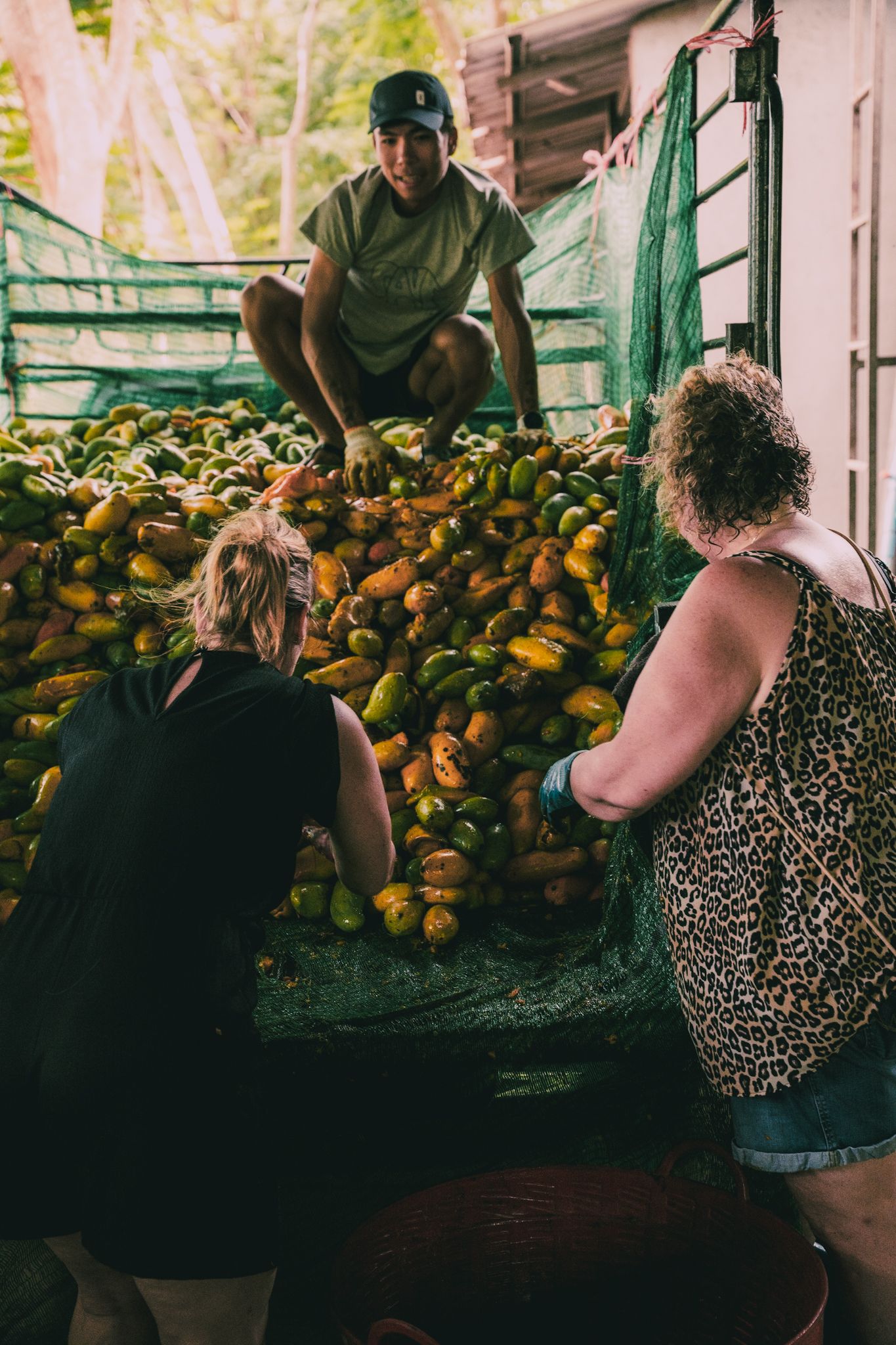
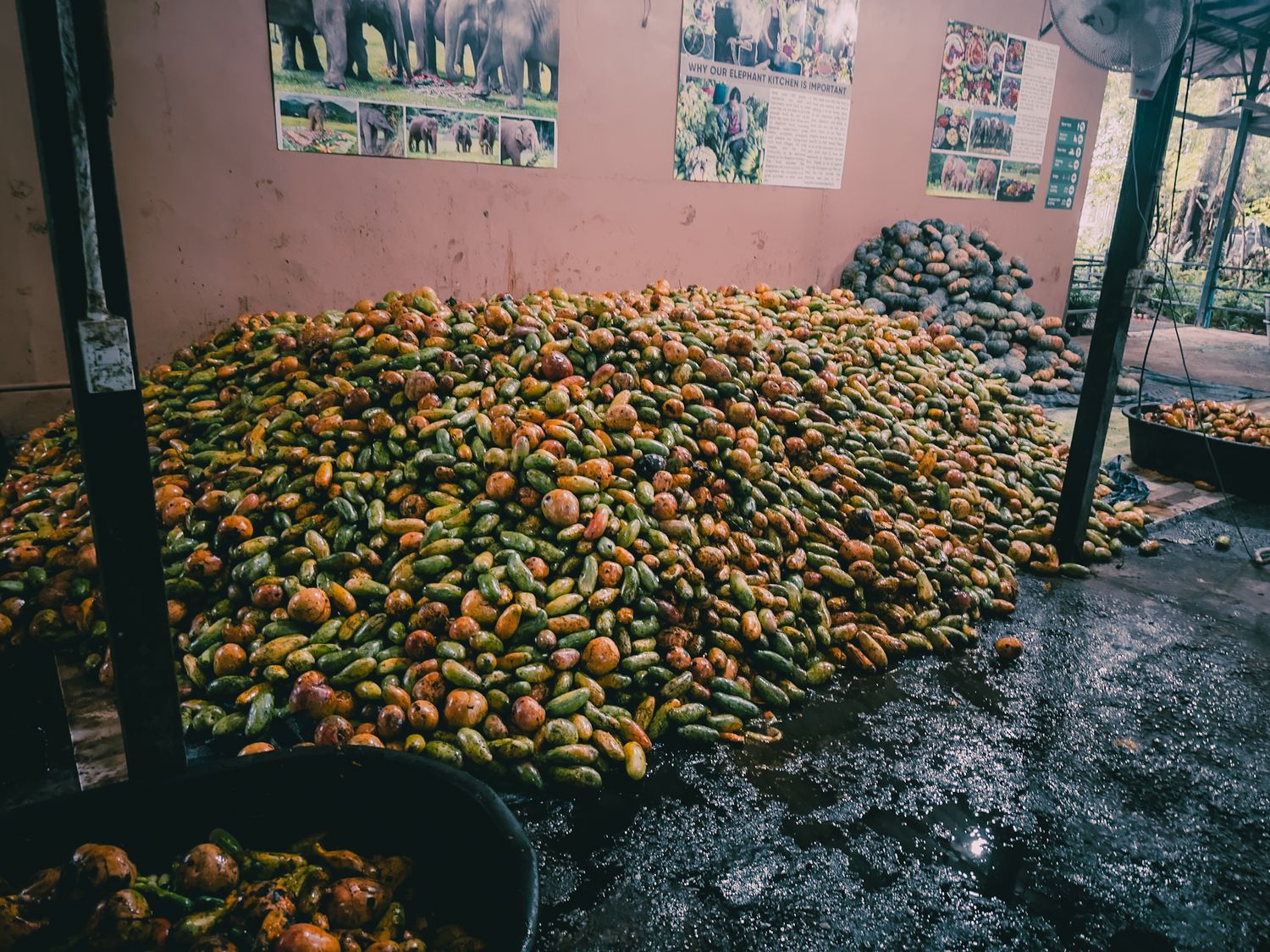
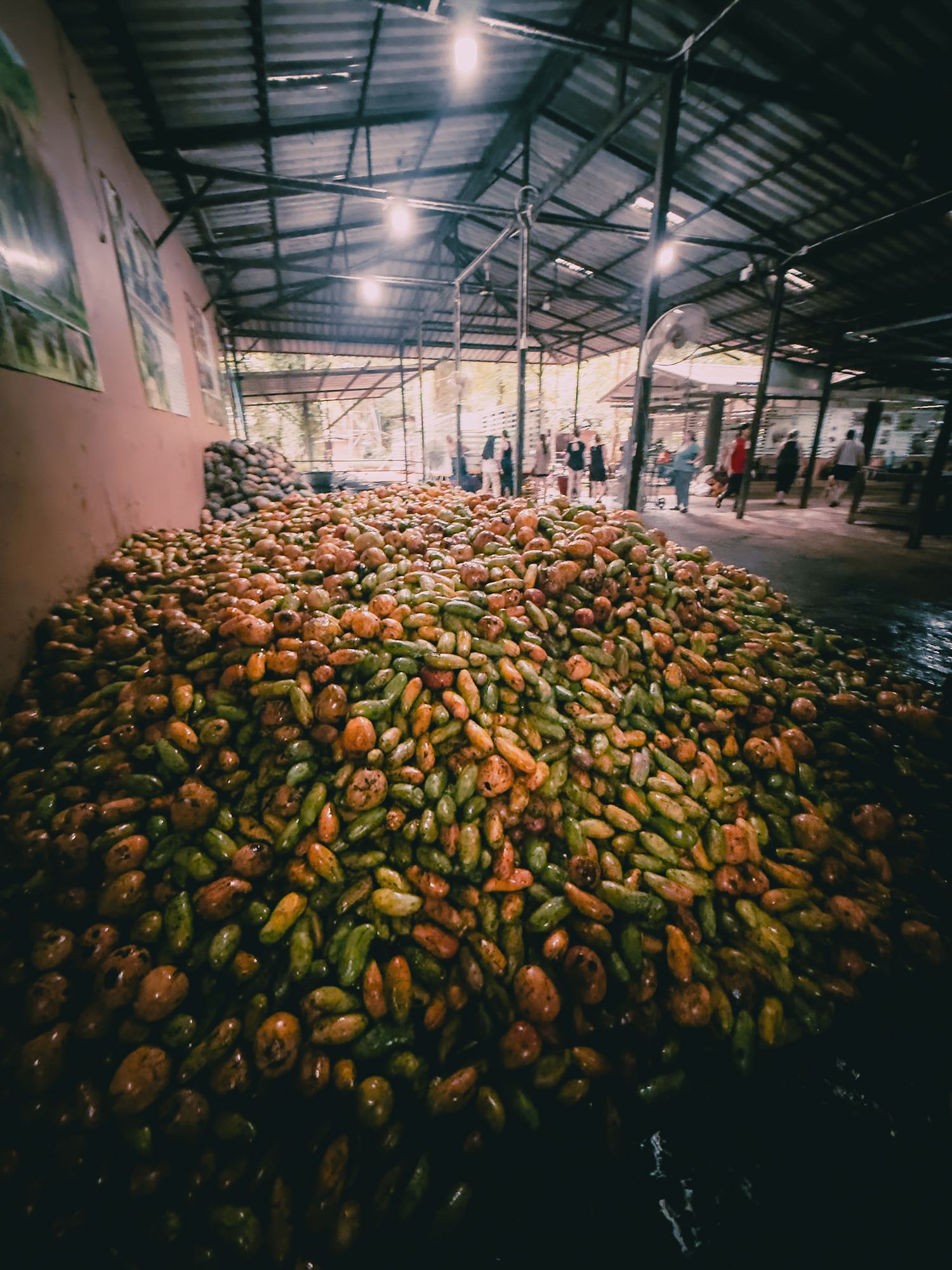
I felt a similar need for boundaries later that morning when two trucks arrived bearing roughly 12 tons of mangoes. Unlike my corporate life, these trucks do not dump.
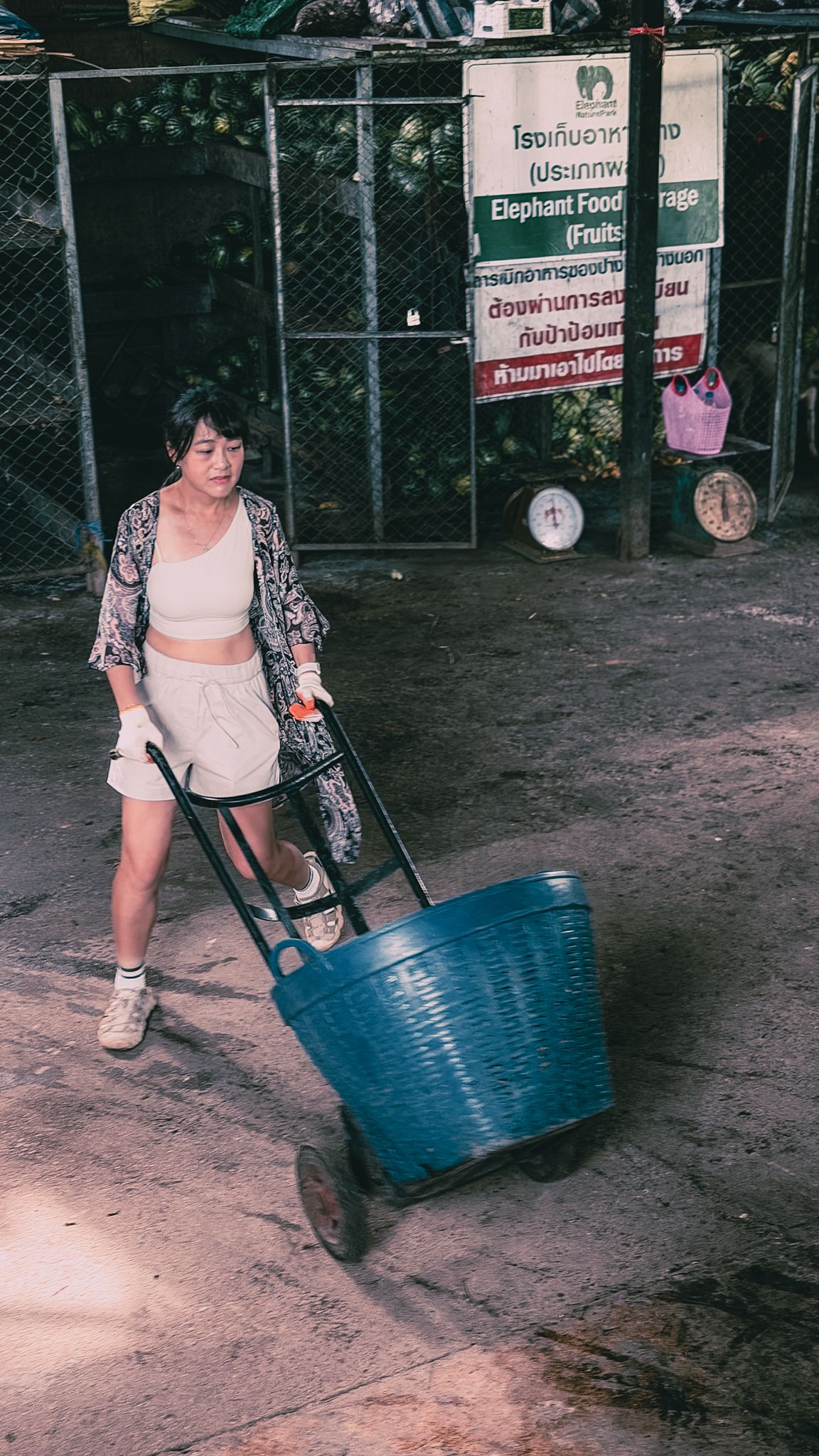
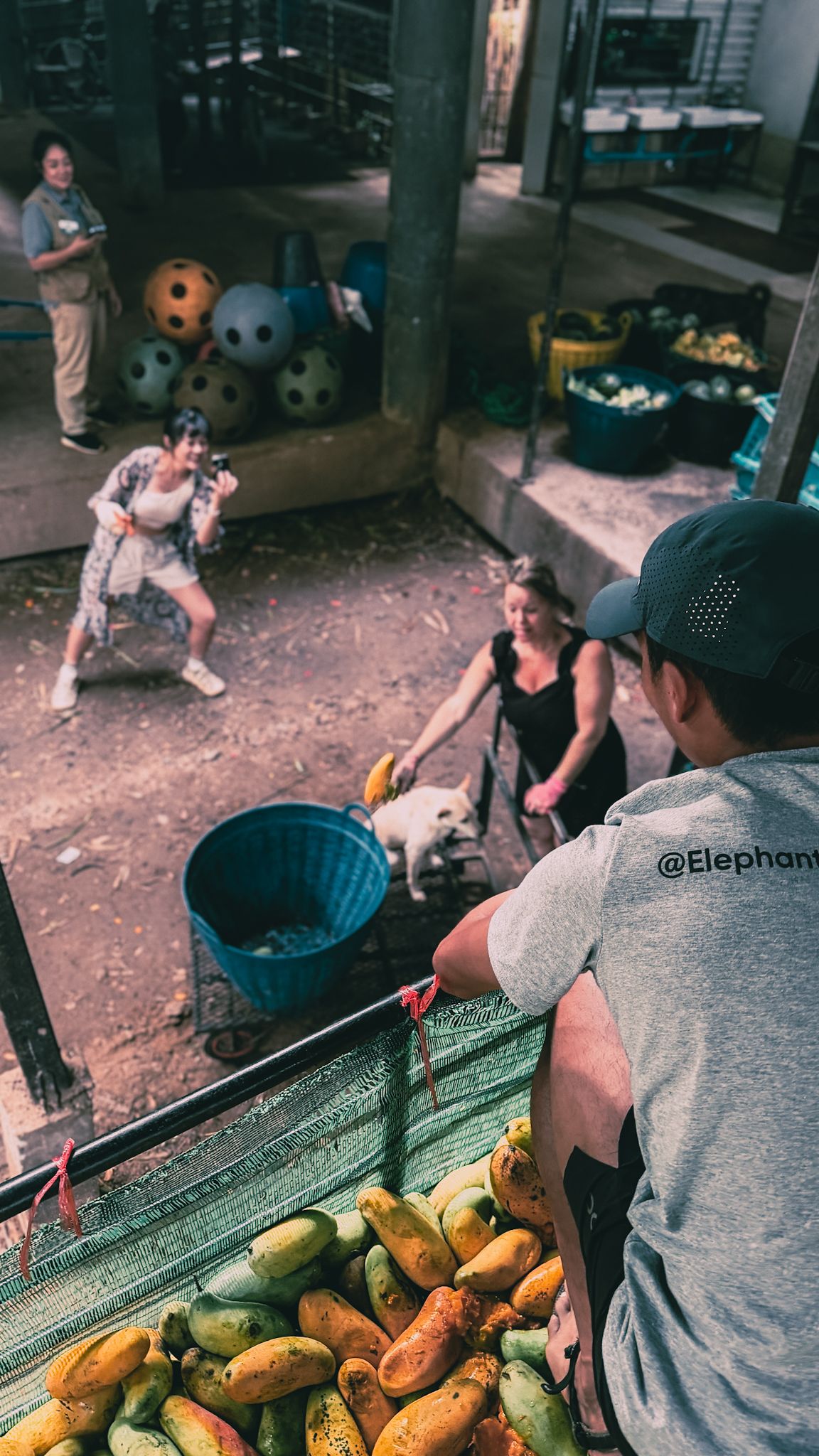
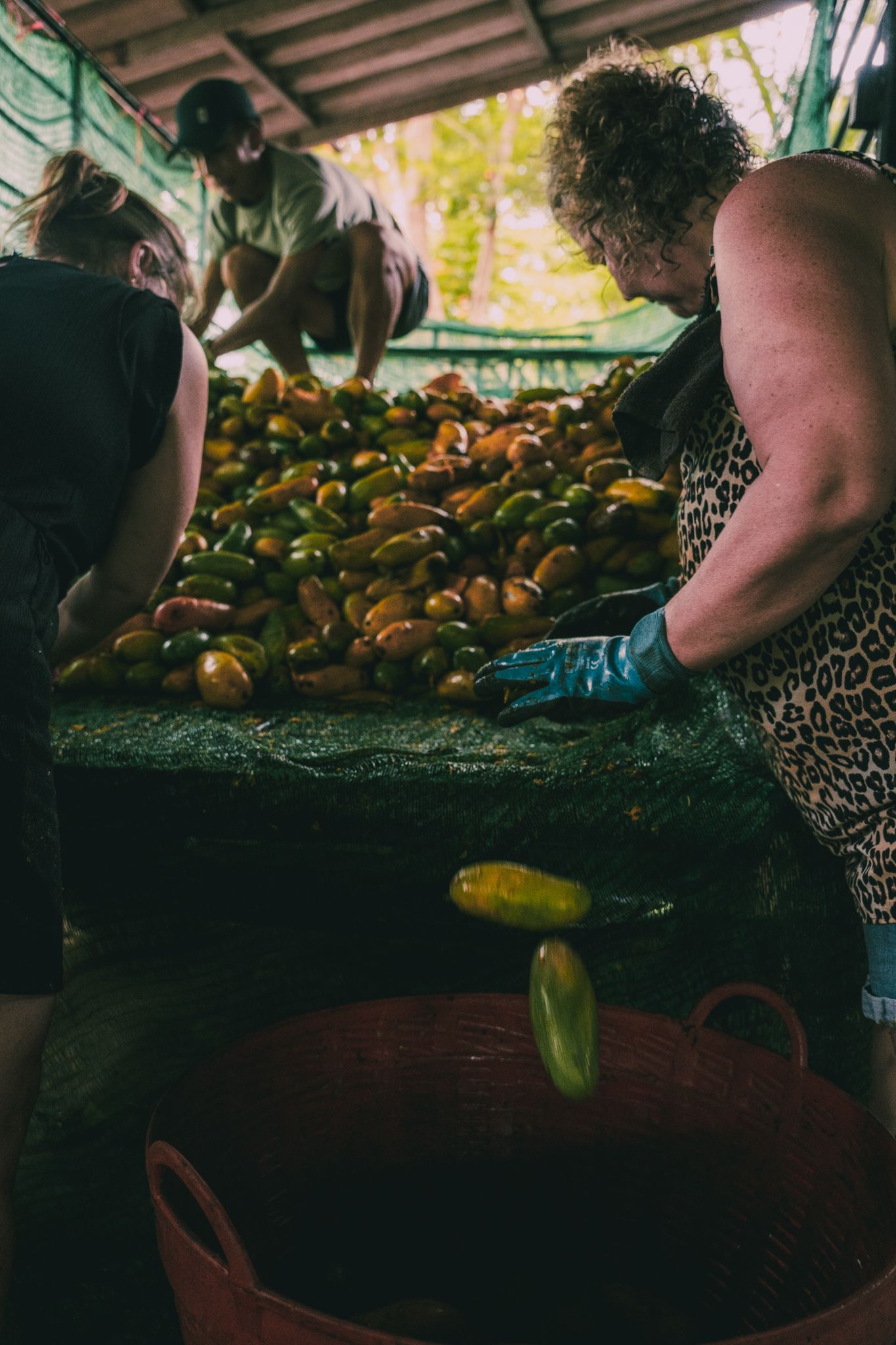
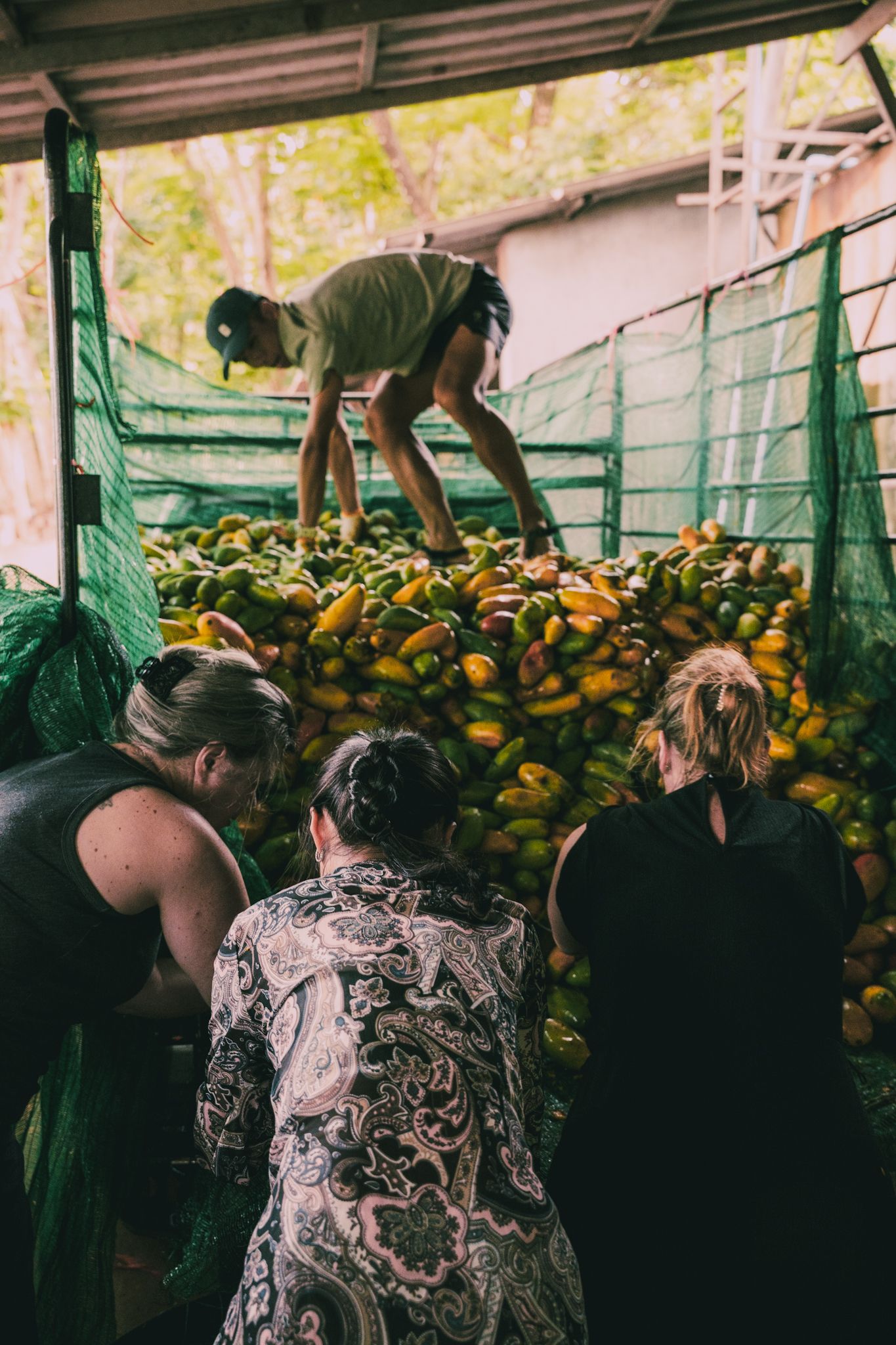
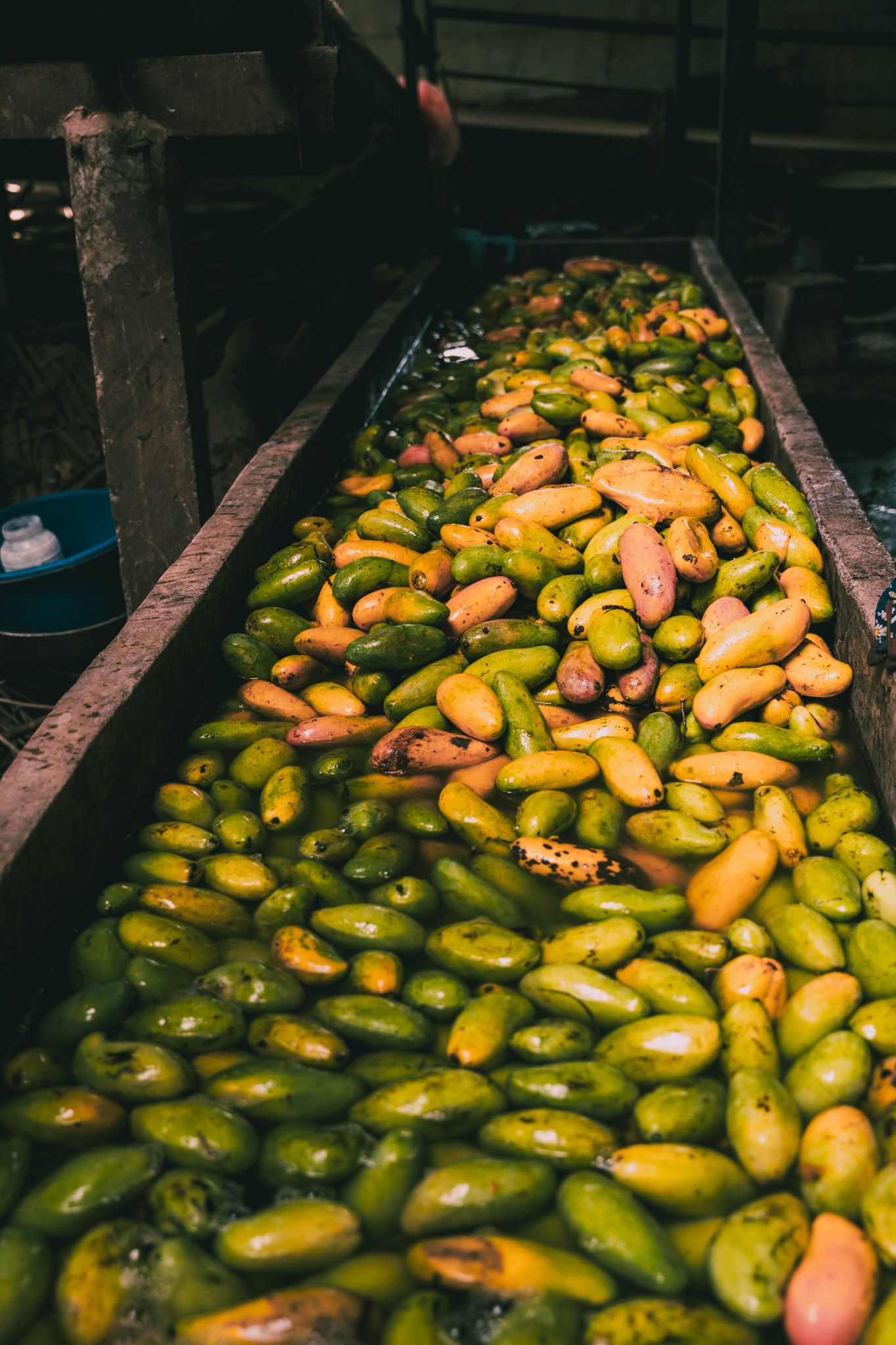
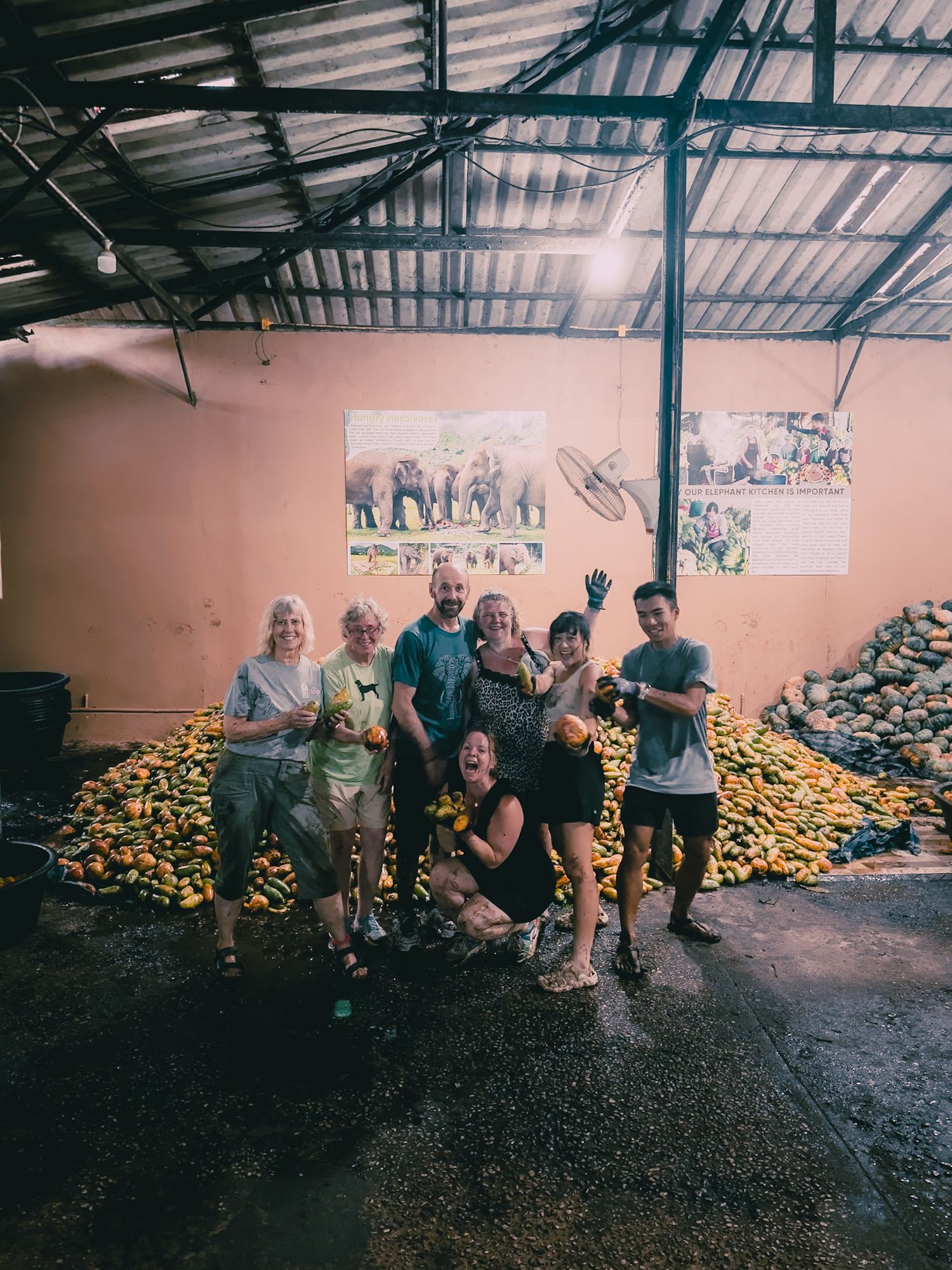
The students worked on one truck, while we worked on another. They had shovels, we had hands. The protocol: Unload, basket, transport, sort, wash, and de-pit (the final two steps completed by staff). The logic: You’re thinking, “wild elephants do not slice their fruit.” True, but farmed mangoes are coated in pesticides, which combined with too many pits, destroy their digestive tracts.
To a playlist ranging from Avril Lavigne and Zach Bryan, to Journey and Taylor Swift, I spent three hours in the truck bed, bending, lifting, tossing, and scooping as my feet sunk deeper into overripe and smashed mango. My biomechanics collapsed. I wanted physical labor, but I was simply not in condition to perform it to this degree. On Thursday, I began noticing “heat flashes” run down the front of my right leg: 4-5 seconds of warmth from my knee to my foot, as if someone poured hot water into my lower leg. By the second truck, the symptoms were increasing in both frequency and intensity, as my back and hip also yearned for a relief pitcher. It was a clear warning sign of lumbar disc pathology, so I benched myself, opting to watch the children work with atrocious, injury-inducing form (dumping the mango buckets became a difficult task, as the pile grew larger). I said nothing. They were in the zone, and it felt cruel to ruin their vibe with a lecture on mango dumping ergonomics.
Part III: Bullies
At 4 PM, a brief flash of elephant politics played out near the main platform. A mahout brought out watermelons, sparking a race between two adults and a juvenile. The teenager arrived second, prompting a massive matriarch to roar and shove her out of the way. Shamed, the young elephant turned her back, lowered her head, and stood frozen in complete, recognizable embarrassment.
The mahout, reading the room well, preoccupied the bullies with theirs first, and quickly scurried out towards the juvenile. She was too traumatized to look him in the eye, turning her head away in fear. He waited as she simply walked away. Once the distance was safe, he rolled the watermelon across the dirt like a bowling ball. She accepted and scooped it up in her trunk. Even in the jungle, middle management finds a way.
Part IV: 190 BPM
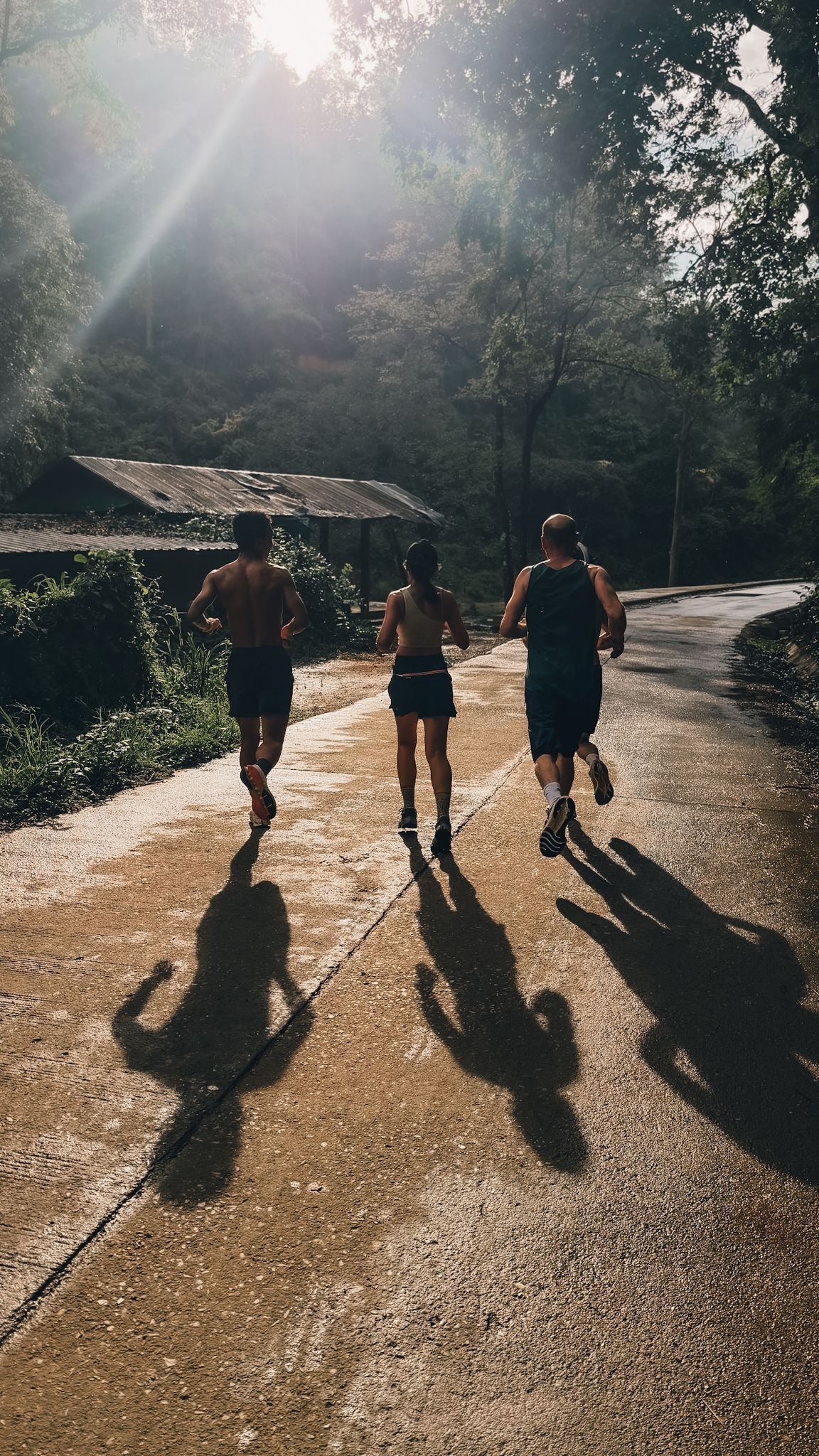
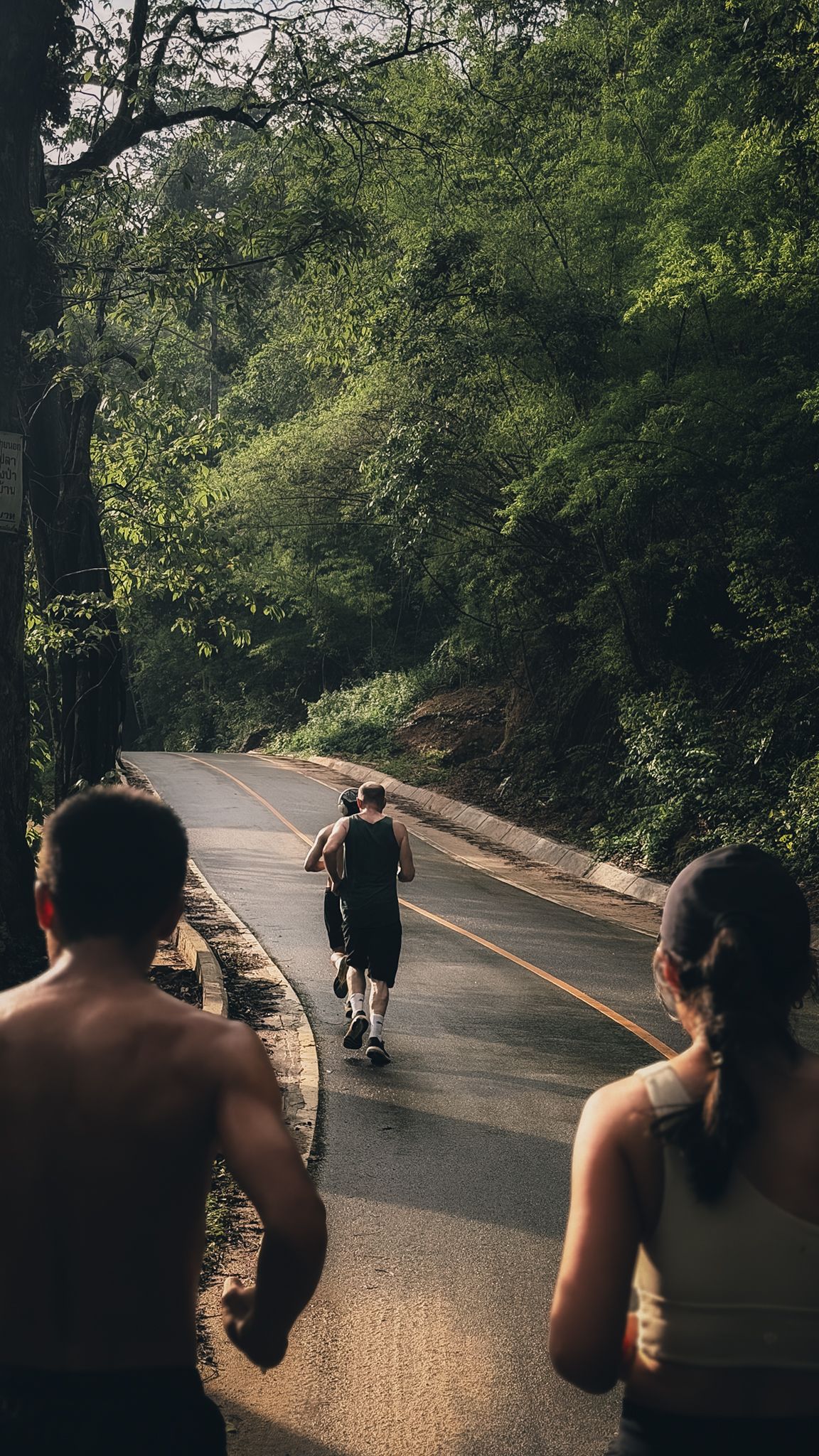
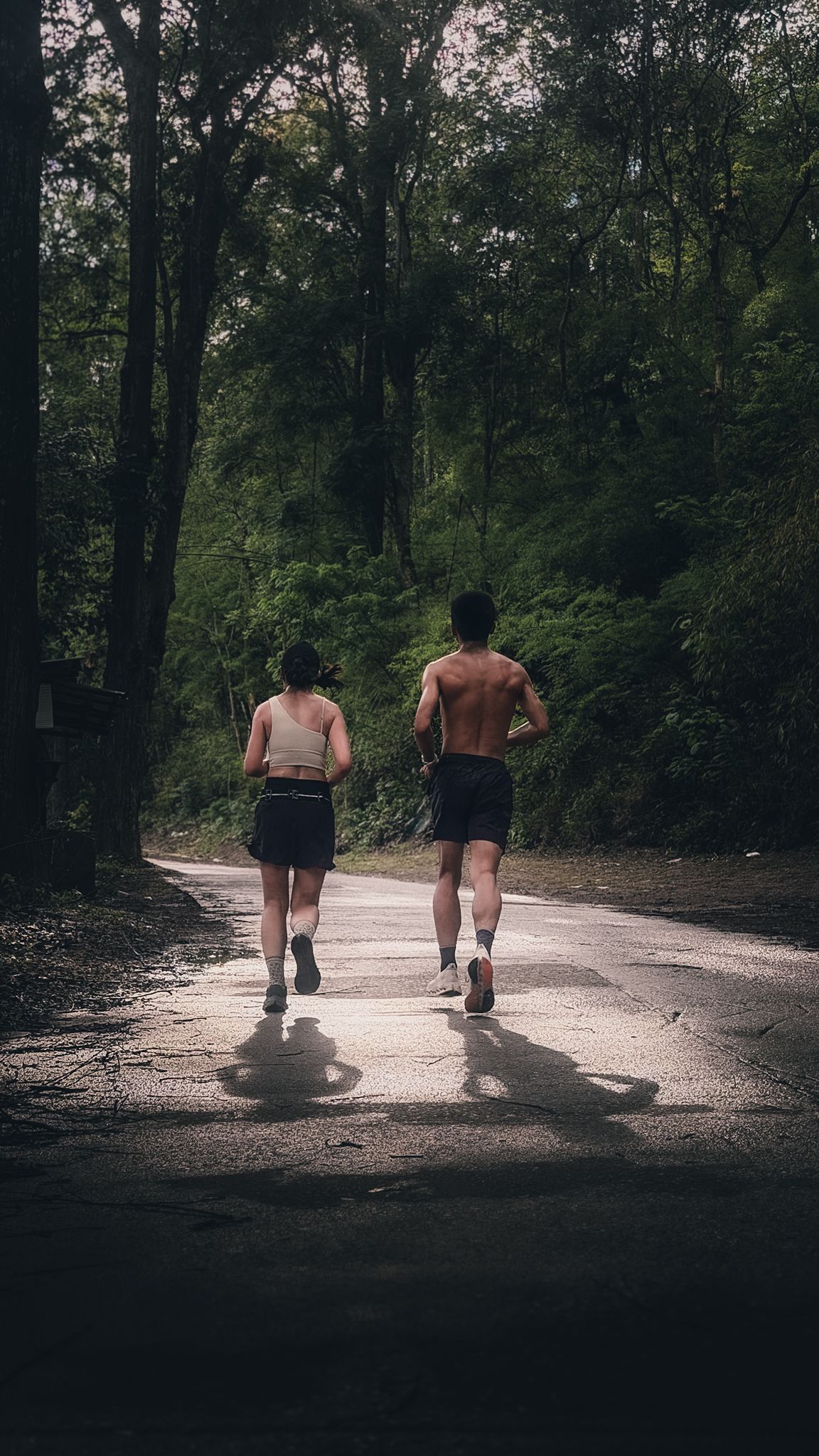
Then came the run. Our guide offered a "short, slow, flat loop" through the village. Having skipped the last jog on Wednesday, which I was told came in around 4 km, I agreed, and tried to get ahead of hydration and electrolytes prior. It was a gross miscalculation. He grew up right next to the park and led us through his childhood neighborhood. Instead of the loop, he took us on an endless, meandering tour past his mother’s massage shop and his grandmother’s house. At first, it was endearing.
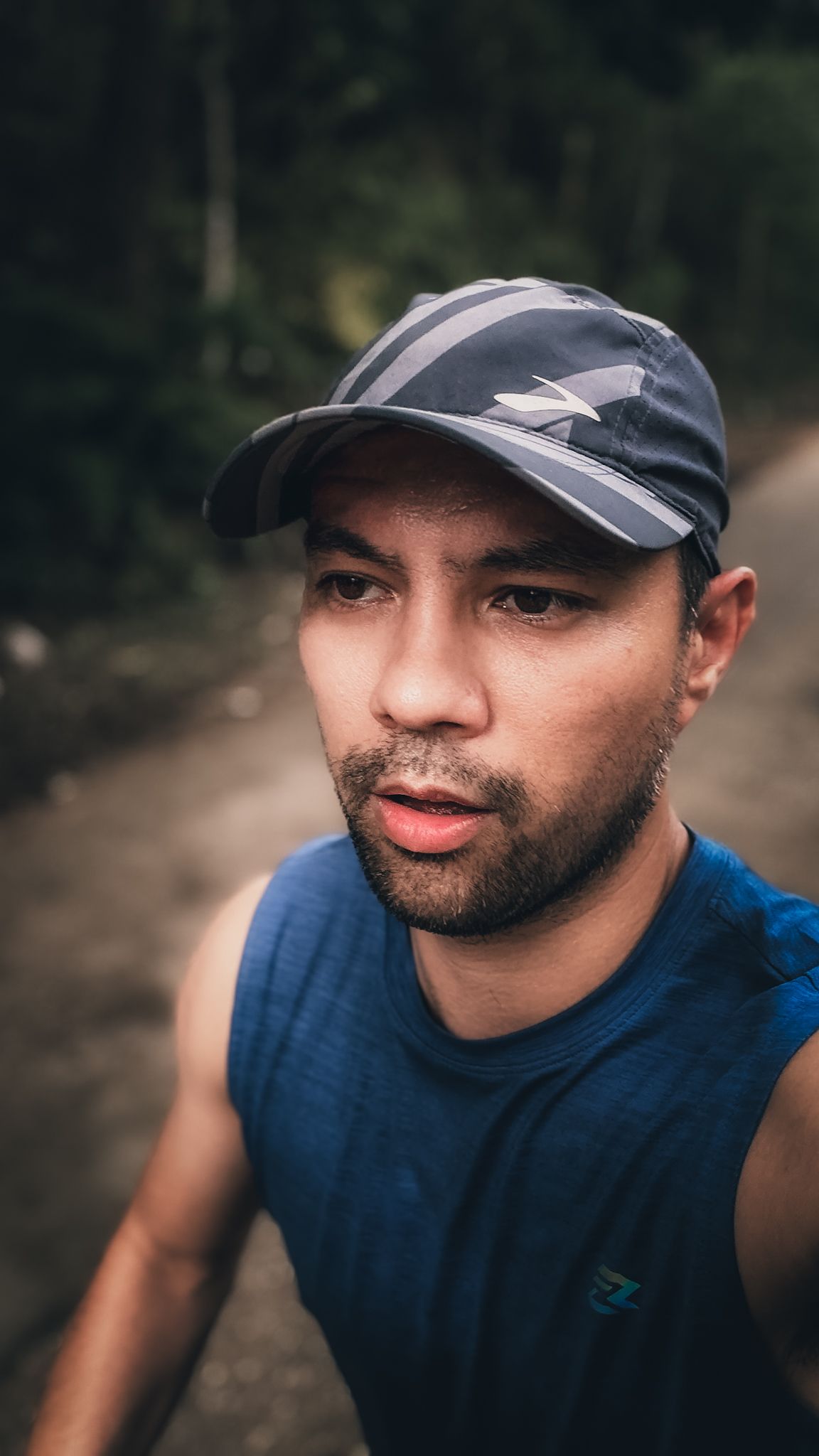
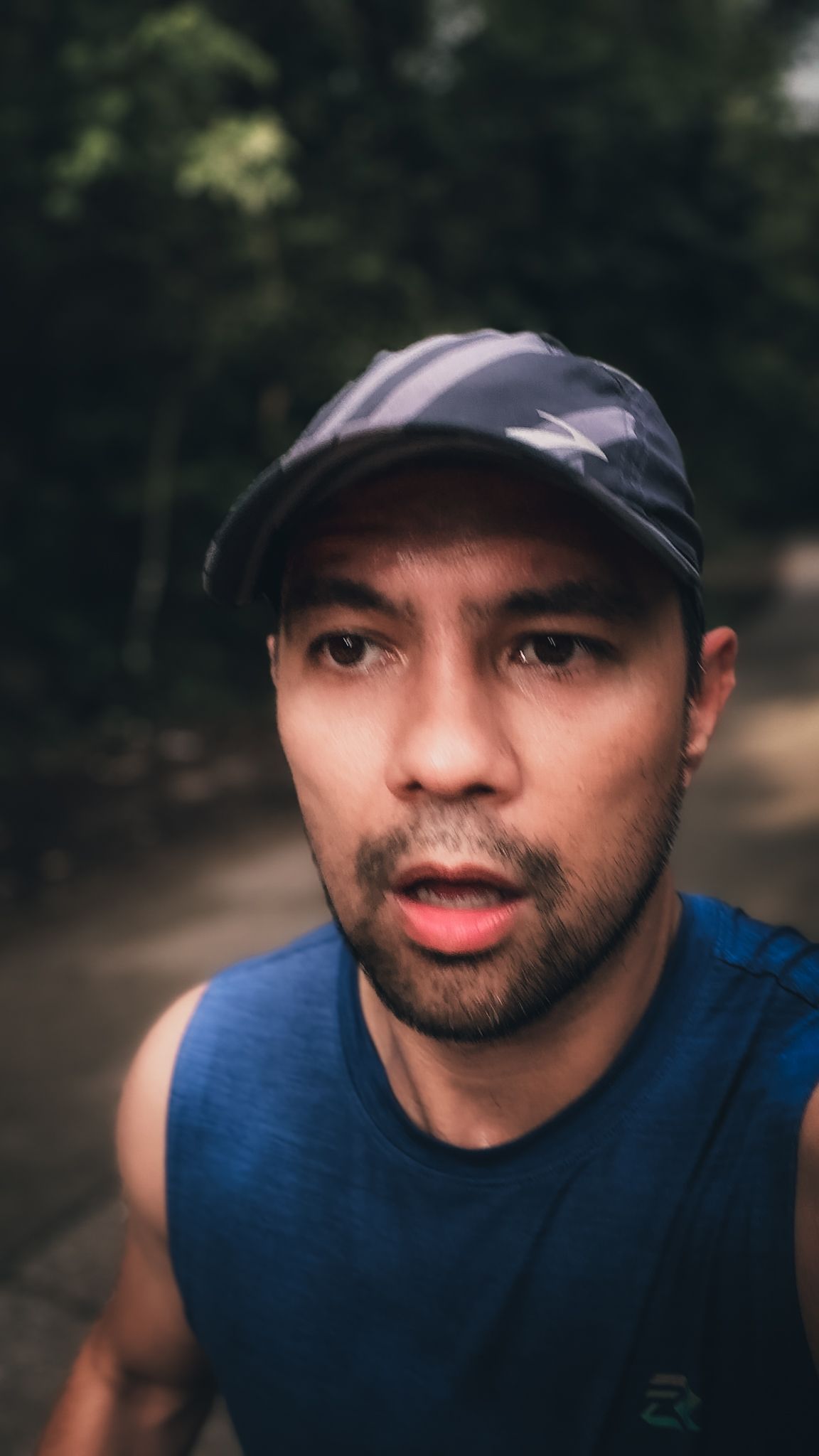
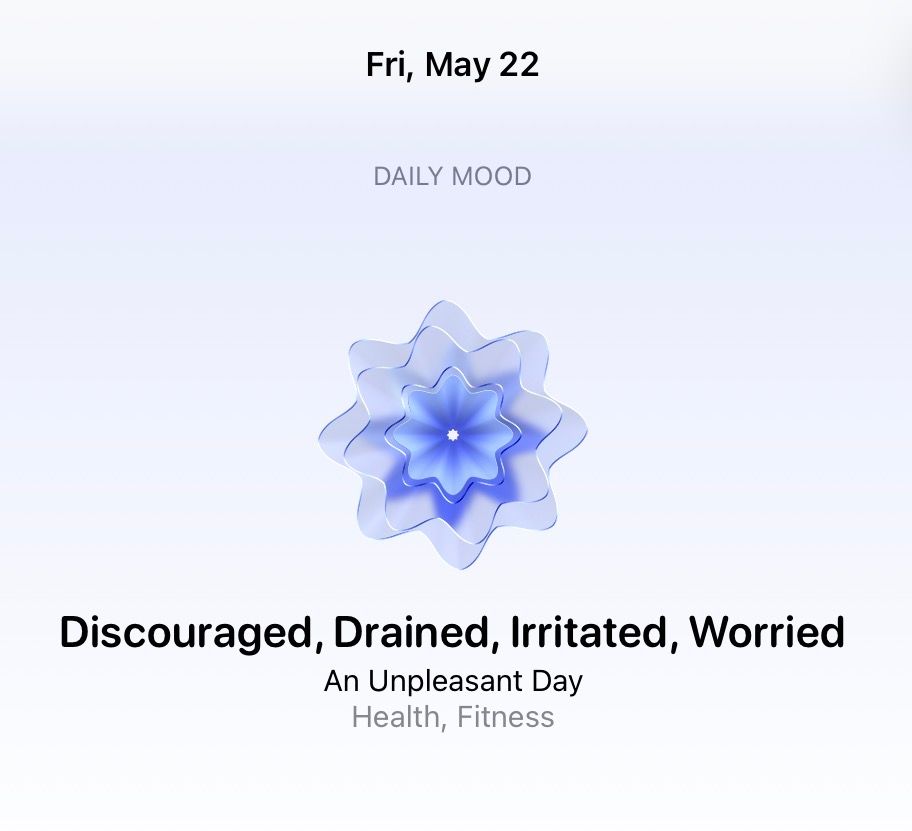
Deeper into the [somewhat hilly] route, my body signaled a red alert. I checked my watch: 1 hour in, 3.7 kilometers out, and my heart rate was in overdrive at 193 bpm. My shirt was heavy with a waterfall of sweat. I was dangerously dehydrated and furious. I fell far behind the group, and when I finally caught up to them, I lost it. I went on a profanity-laden tirade, angry at the uncommunicated change in plans that led me to believe my preparation was sufficient.
I opted to keep some distance on the walk back, though eventually downed three bottles of water provided by the guide (he led us by a small “glamping” hotel that his buddy worked at). But, the damage was done. On top of that, we did not return until 6:15 pm. Thus, I missed the strict 30-minute laundry drop-off window, meaning I am stuck with mud-caked gear for the weekend. I offered a half-hearted apology later. With the amount I sweat, even at baseline in these conditions, the walk/jog of the second half was a minimal concession. For me, it is a dangerous line to cross between a 35-40 minute jog and a 2+ hour jog-walk without adequate supplies.
Tonight, rain unloaded on us with a vengeance. It was actually a bit therapeutic. I wanted to sit on the platform and write, but every mosquito in the province had the exact same idea. Oh well.